Categories
Boat maintenance Commercial The Yard Brisbane Blog

Should I Use Propspeed on My Boat? A Brisbane Boat Owner’s Guide

If you’re planning a boat haul-out in Brisbane and wondering whether Propspeed is worth the investment, you’re not alone.

One of the most common questions we hear from vessel owners undertaking boat maintenance at The Yard Brisbane is whether Propspeed actually delivers on its promise of protecting propellers and underwater running gear from marine growth.

Whether you own a sailing yacht, power catamaran, sportfisher, commercial vessel, or luxury motor yacht, keeping your running gear clean is essential for maintaining fuel efficiency, vessel performance, and reducing long-term maintenance costs.

In Brisbane’s warm waters, marine growth can accumulate surprisingly quickly. Barnacles, slime, and weed can begin attaching to propellers and shafts within weeks, reducing performance and increasing fuel consumption.

This is where Propspeed has become one of the most popular running gear protection systems used by boat owners throughout South East Queensland.
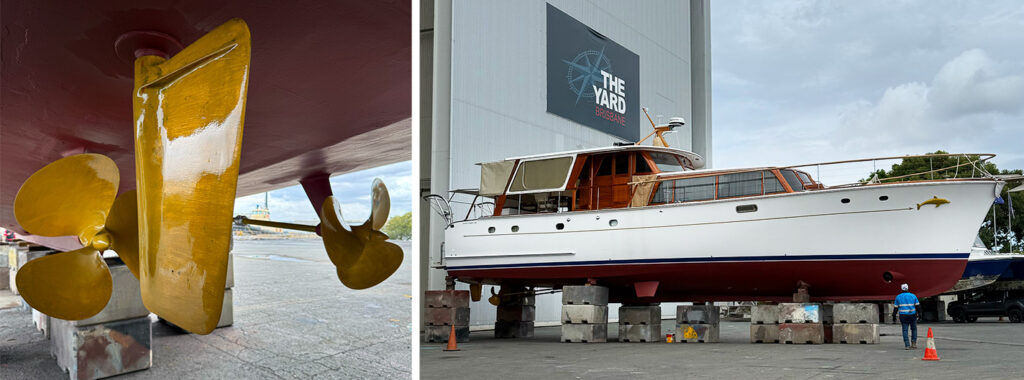
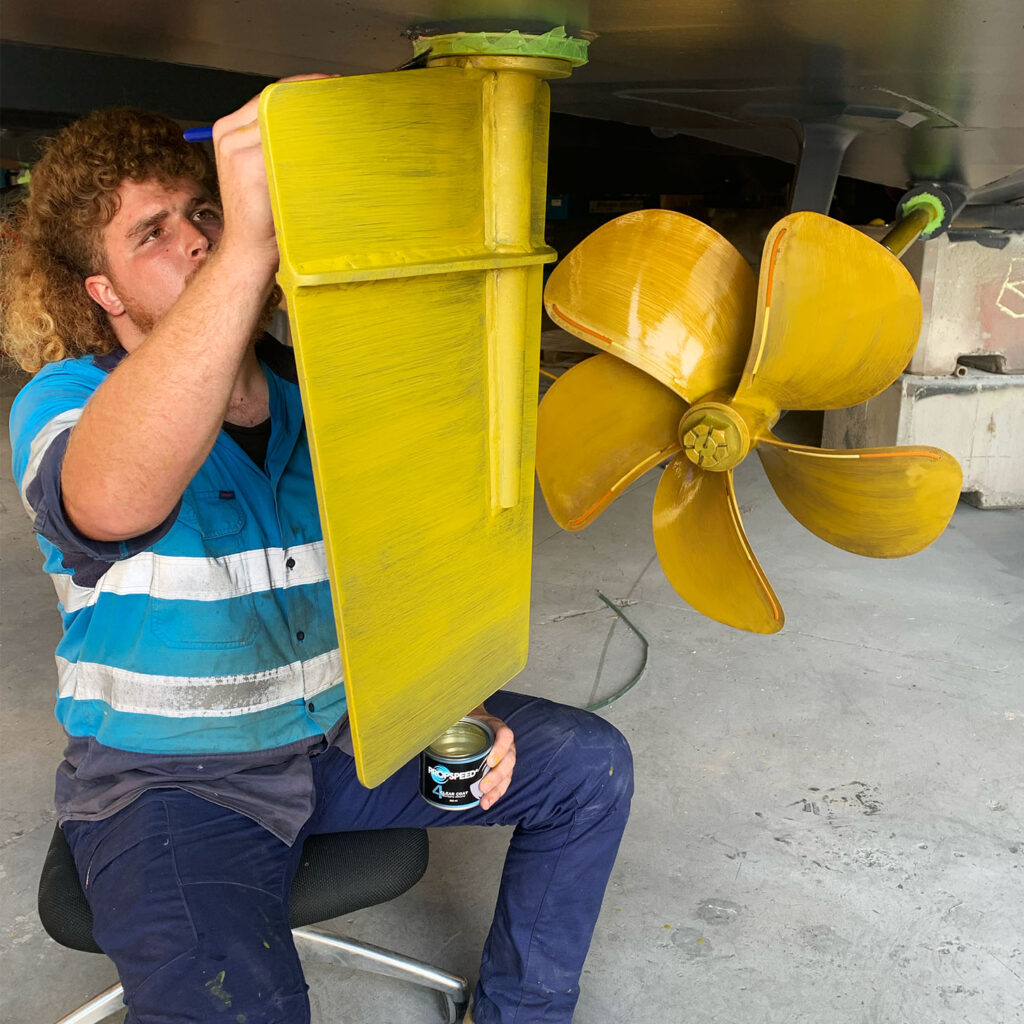
Propspeed applied to classic Norman Wright cruiser Dolphin II

What is Propspeed?

Propspeed is a specialised foul-release coating system designed to protect underwater running gear, including:

  • Propellers
  • Shafts
  • Rudders
  • Struts
  • Trim tabs
  • Thrusters
  • Saildrives

Unlike traditional antifouling products, Propspeed creates an ultra-smooth surface that makes it difficult for marine growth to attach, helping vessels maintain performance between haul-outs.
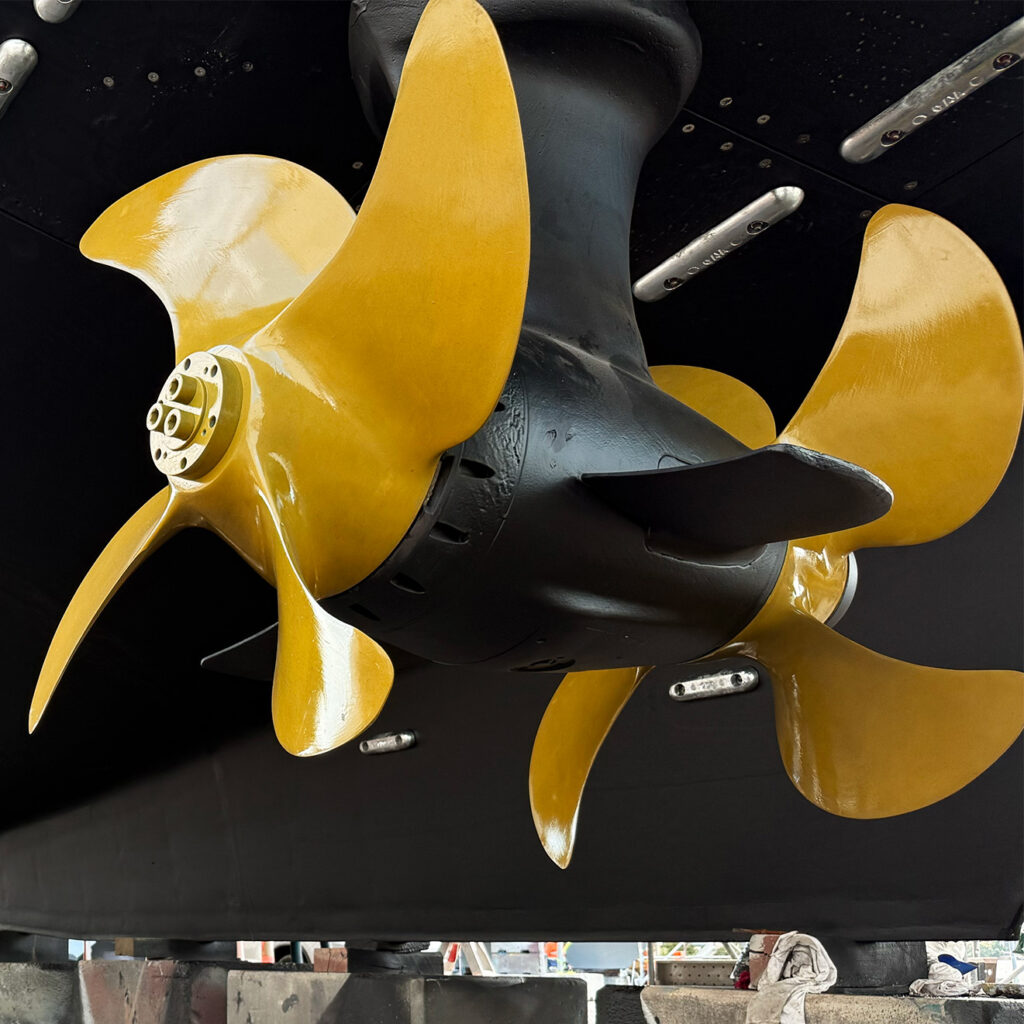
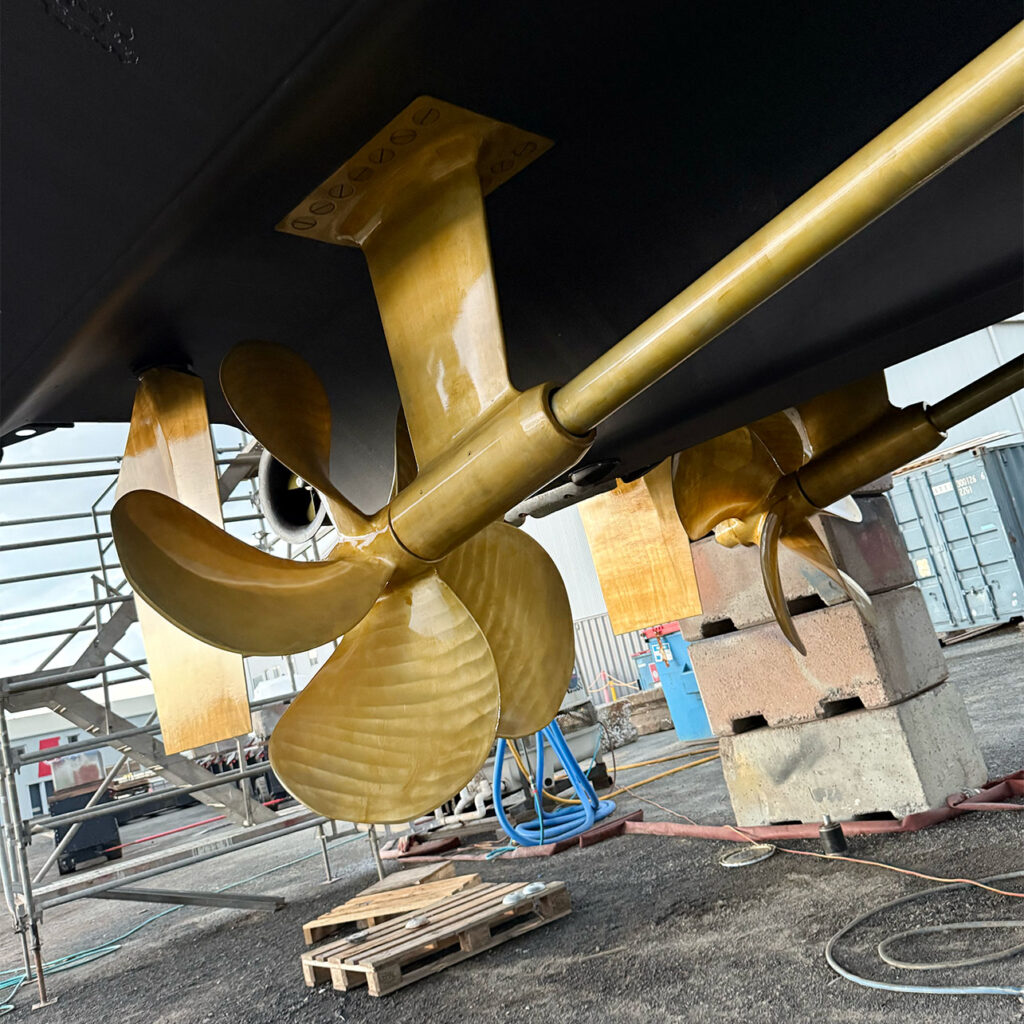
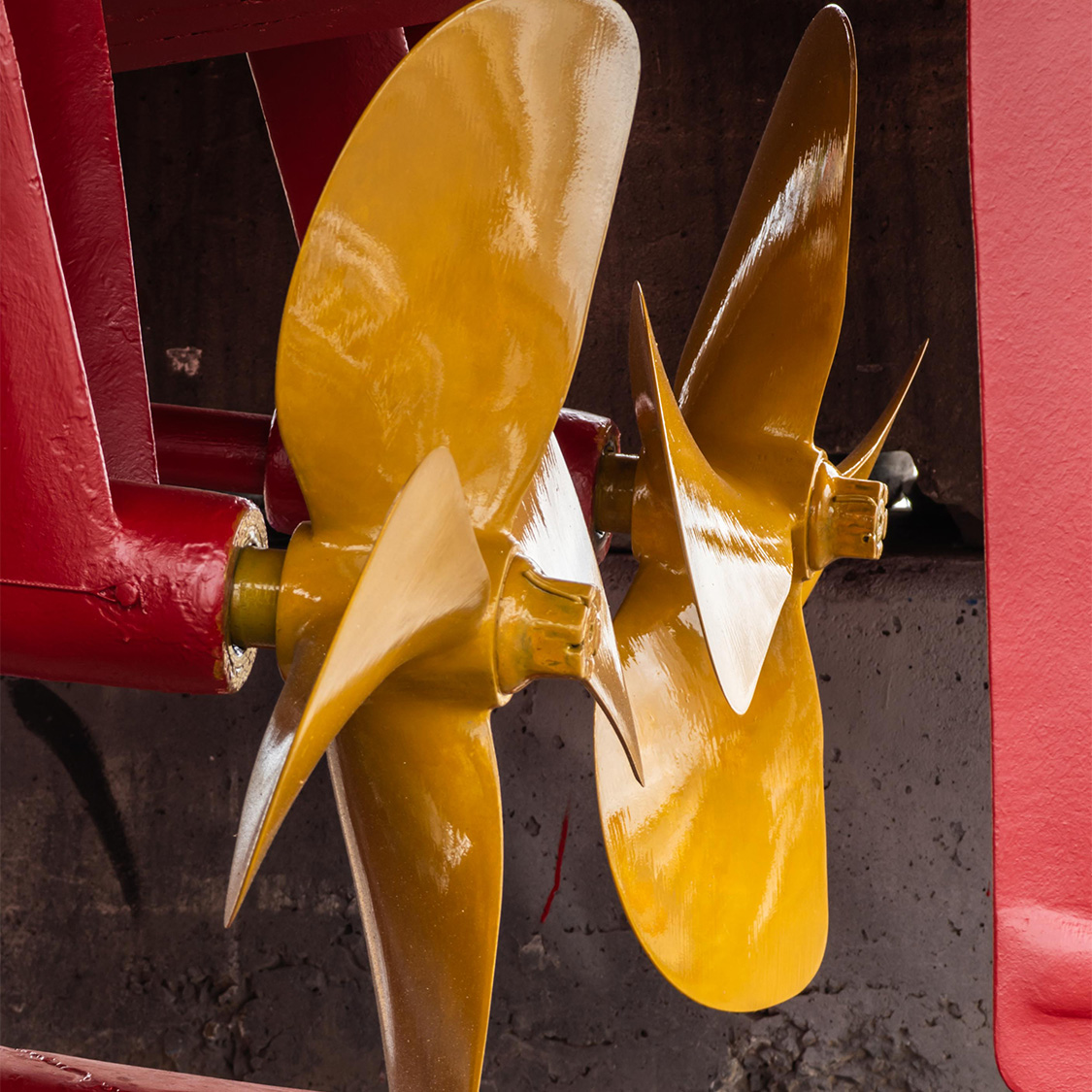
Propseed applied to the dual prop thrusters of Superyacht Baca (Royal Denship, 43.4m)

Why Brisbane Boat Owners Choose Propspeed

Brisbane’s subtropical climate creates ideal conditions for marine growth.

For vessels berthed in the Brisbane River, Moreton Bay, Manly, Scarborough, Redcliffe, Raby Bay, Gold Coast, and surrounding marinas, underwater growth can quickly impact performance.

Many owners choose Propspeed during scheduled boat maintenance or antifouling projects because it helps:

  • Reduce marine growth on propellers
  • Improve fuel efficiency
  • Maintain cruising speed
  • Reduce underwater cleaning requirements
  • Protect underwater metal surfaces
  • Extend performance between dockings
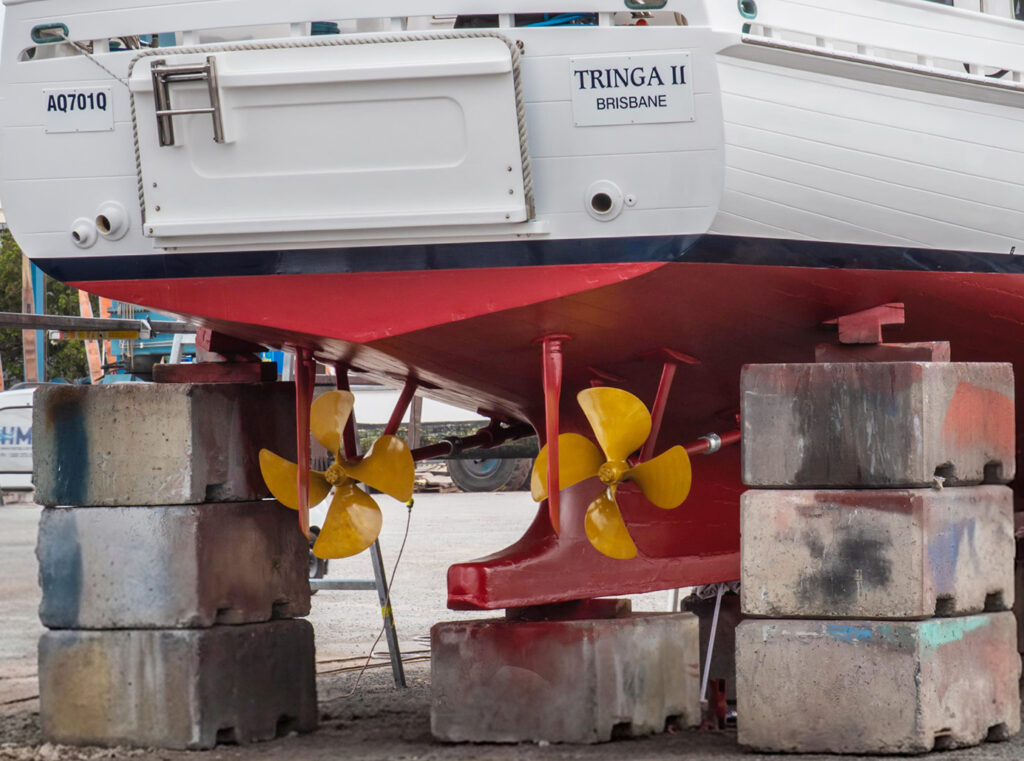
Propspeed application on classic Norman Wright boat Tringa II
Propspeed applied to classic Norman Wright cruiser Tringa II

How Marine Growth Impacts Vessel Performance

Even minor marine growth on a propeller can significantly affect performance.

When barnacles and weed accumulate on propellers and shafts, vessel owners often experience:

  • Higher fuel consumption
  • Reduced top speed
  • Increased engine load
  • More vibration
  • Reduced manoeuvrability
  • Poorer acceleration

For vessels operating regularly throughout Moreton Bay and the Queensland coast, these performance losses can become expensive over time.
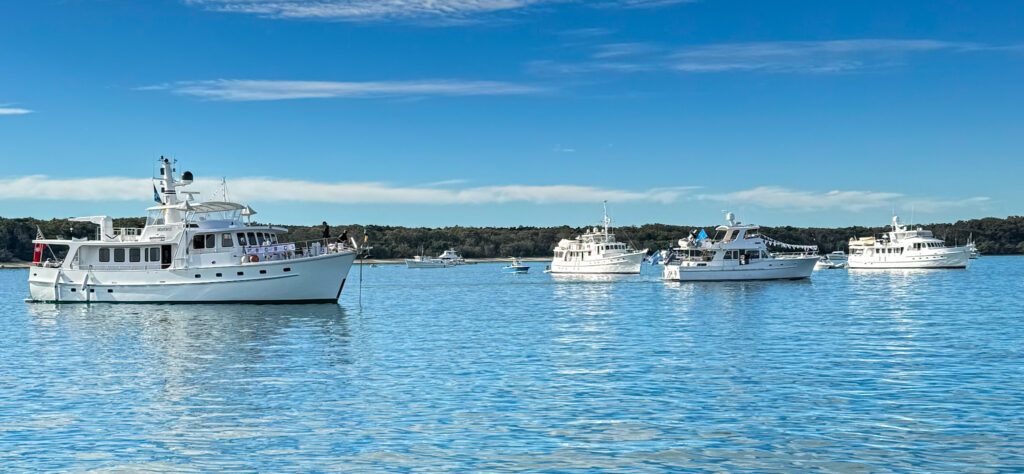
Wooden Boats in Horseshoe Bay, Moreton Bay Classic 2025

Is Propspeed Worth It During Your Brisbane Boat Lift-Out?

For many Brisbane vessel owners, the answer is yes.

Propspeed is particularly valuable for:

  • Cruising catamarans
  • Sailing yachts
  • Motor yachts
  • Sportfishing vessels
  • Commercial vessels
  • Charter operators

When applied during a scheduled lift-out, antifouling, or annual maintenance period, Propspeed can help maintain vessel efficiency throughout the year.

The investment is often offset through reduced cleaning requirements, improved fuel economy, and better overall vessel performance.
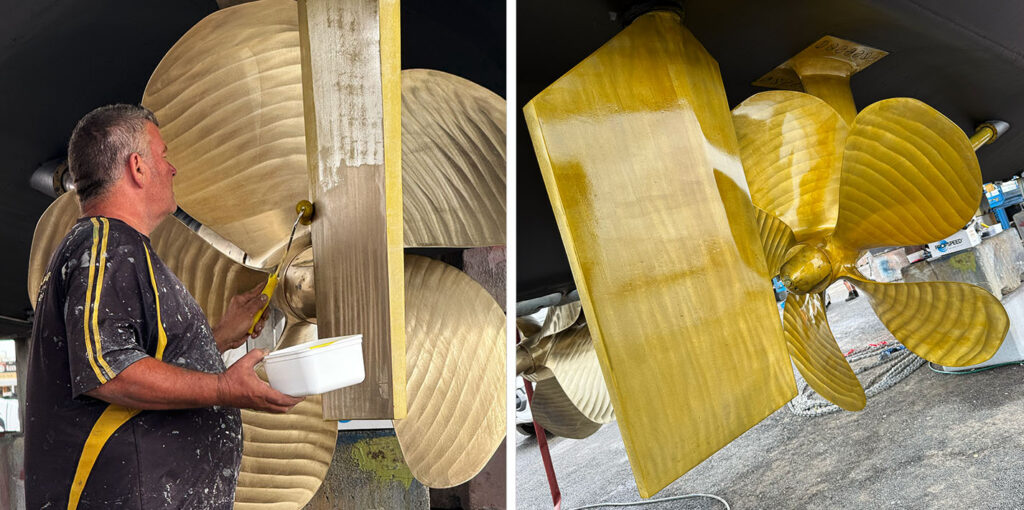
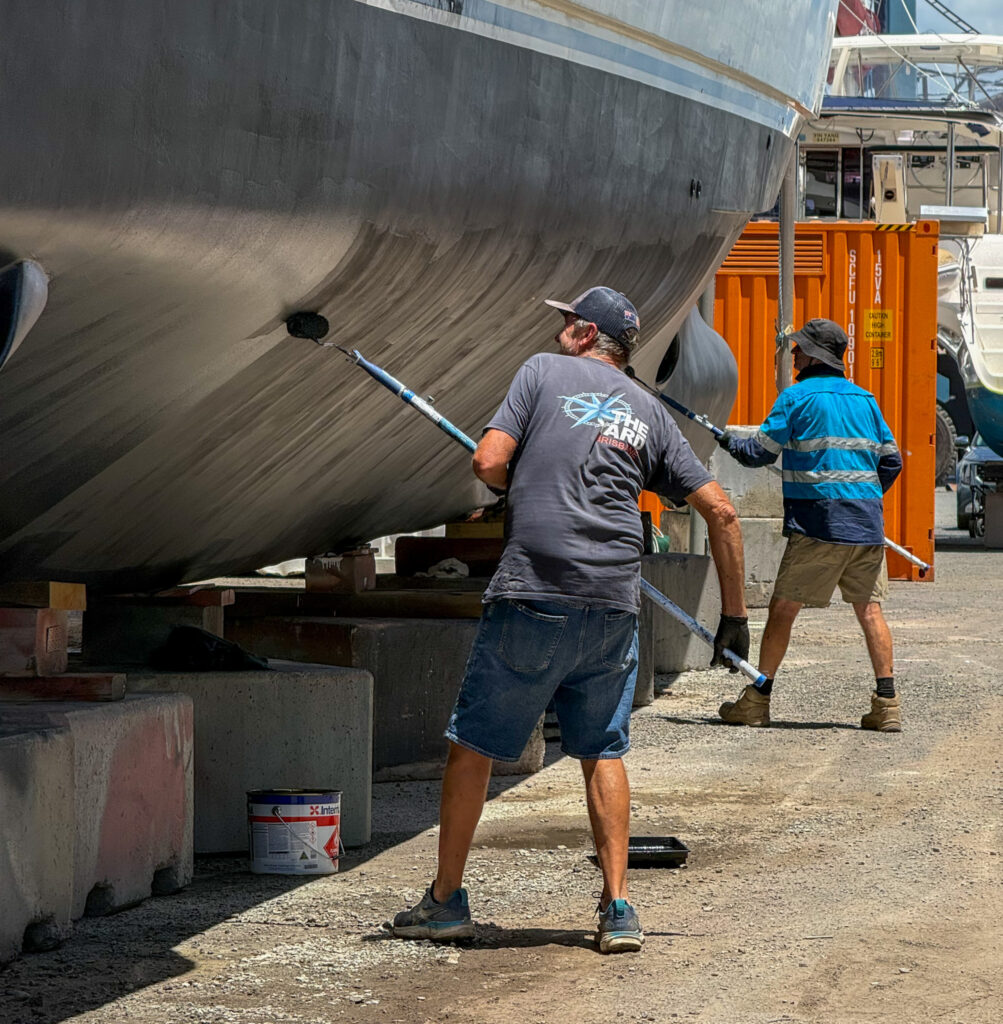
Propseed application in progress to SY Rascal (35m Sunseeker)

Where Can Propspeed Be Applied in Brisbane?

Propspeed should always be applied by trained technicians, as correct surface preparation and application are critical to achieving the best results.

At The Yard Brisbane, our experienced shipwrights are experts at applying Propspeed to vessels operating in the Brisbane River, Moreton Bay, and beyond. With extensive experience in running gear maintenance and vessel coatings, our team ensures every application is completed to the manufacturer’s specifications, helping maximise performance, durability, and protection in local waters.

The ideal time to apply Propspeed is during:

  • Annual antifouling
  • Boat lift-outs
  • Running gear servicing
  • Propeller maintenance
  • Insurance repairs
  • Major refits

Final Thoughts

If you’re planning boat maintenance in Brisbane and want to reduce marine growth on your propellers, Propspeed remains one of the most effective solutions available.

For vessel owners operating in Moreton Bay, the Brisbane River, and throughout South East Queensland, the combination of improved performance, lower maintenance requirements, and fuel savings makes Propspeed a worthwhile consideration during your next haul-out.

Before your next docking, speak with the team at The Yard Brisbane about whether Propspeed is the right solution for your vessel.
Categories
Commercial The Yard Brisbane Blog

The Ultimate Guide to Applying Antifoul: Best Ways to Ensure Preservation

Antifouling paint (often called antifoul) is essential for any boat or vessel kept in the water. It prevents barnacles, algae, slime, and other marine growth from attaching to the hull below the waterline. Without it, fouling increases drag, reduces speed and fuel efficiency, raises maintenance costs, and can even damage the hull over time. A properly applied antifouling system can last 1–3 seasons, depending on the paint type, boat usage, and water conditions.

Whether you’re a DIY enthusiast or preparing for a professional job, the “best ways” boil down to thorough preparation, the right materials, proper technique, and attention to safety and environmental rules. Here’s a complete, step-by-step guide based on expert recommendations from leading marine paint manufacturers and boating authorities.

1. Choose the Right Type of Antifouling Paint

Selecting the correct paint is the foundation of a successful application. The two main categories are:

  • Ablative (Self-Polishing or Copolymer) Paints: These wear away gradually as the boat moves through water, continuously exposing fresh biocide. Ideal for most cruising boats that stay in the water or are used regularly. They prevent paint buildup over multiple seasons and work well in both salt and fresh water. Examples include products like International Micron or Pettit Hydrocoat.
  • Hard (Modified Epoxy or Vinyl) Paints: These dry to a tough, non-eroding finish. Best for high-speed or racing boats, trailered vessels, or those that need a smooth, sandable surface. They require more maintenance (sanding between seasons) and can build up over time.

Other options include foul-release coatings (silicone-based, very slippery) for performance boats and aluminum-safe formulas (avoid copper-based paints on aluminum to prevent galvanic corrosion – use zinc or metal-free biocides instead).

Pro tip: Always check compatibility with your existing coating using the manufacturer’s chart. Stick to the same type (ablative over ablative, etc.) unless using a tie-coat primer. Calculate how much you need: Waterline length × (beam + underwater depth) × 0.5–0.75 (depending on keel type), then divide by the paint’s coverage rate per liter.

2. Gather Tools, Materials, and Safety Gear

Essential items:

  • Solvent-resistant rollers (medium-pile mohair or sheepskin—avoid foam or short-nap, which give thin coats).
  • Good-quality brushes (2-4 inch for edges and waterline).
  • 80-grit sandpaper or Scotch-Brite pads.
  • Masking tape (high-quality painter’s tape that withstands outdoor conditions).
  • Paint tray, stirring drill attachment, and drop cloths/tarps.
  • Pressure washer, scrapers, and hull cleaners.
  • Primer or barrier coat (epoxy-based for bare fiberglass or repairs).

Safety first (non-negotiable):

  • Full PPE: Coveralls, gloves, goggles, respirator with organic vapor cartridges (not a simple dust mask), and boots.
  • Work in a well-ventilated area on a hard-standing or bunded surface to contain waste.
  • Antifouling is toxic – follow local hazardous waste disposal rules.
marina berthing for pressure washing and boat repair
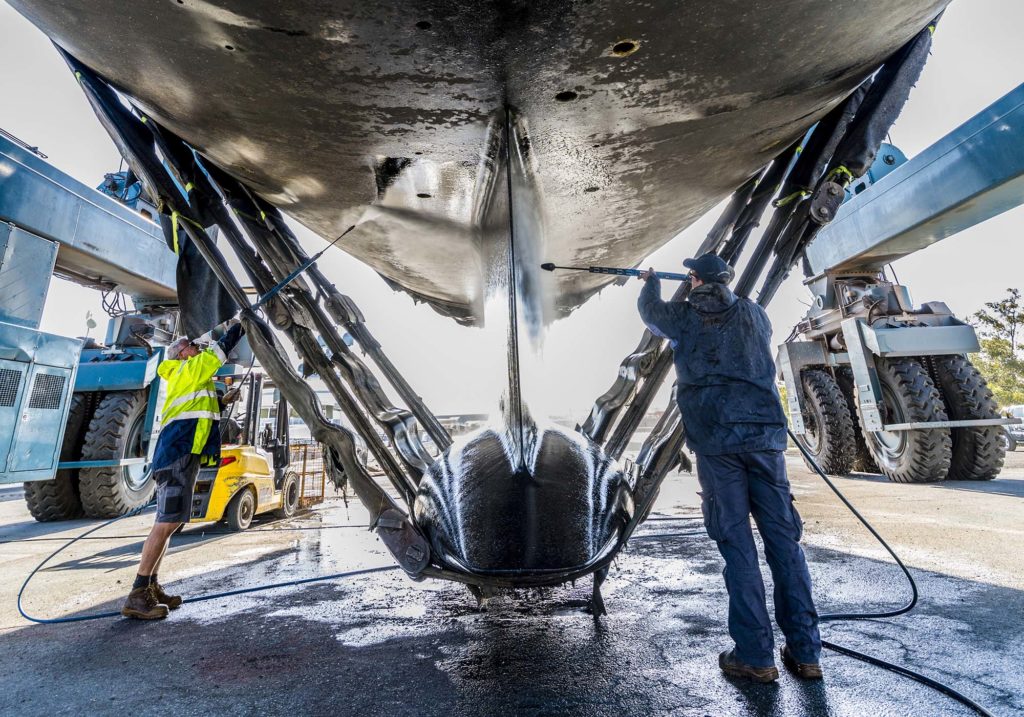
A boat hull being prepared. Pressure washing removes old growth and contaminants before sanding and painting.

3. Step-by-Step Application Process

The key to long-lasting results is preparation (80% of the job) followed by thick, even coats.

Step 1: Haul-Out and Initial Cleaning – Pressure-wash the hull thoroughly to remove slime, barnacles, and loose paint. Scrape any flaking areas. The team at The Yard Brisbane will include pressure washing in your list of services to be completed at the time of haul-out by the operations team.

Once clean, let the hull dry completely.

Step 2: Sand and Prep the Surface – Lightly sand with 80-grit paper (wet sanding preferred to control dust) to create a “key” for adhesion. Wipe down with fresh water or recommended solvent to remove all salt, dust, grease, and wax (critical for new gelcoat). Repair blisters, gouges, or osmosis with epoxy filler and primer.

Step 3: Masking – Apply high-quality tape along the waterline/boot stripe for a crisp edge. Protect anodes, transducers, props, and through-hulls with tape or foil. Remove tape while the final coat is still tacky for the cleanest line.

Masking the waterline and careful roller work at edges ensure a professional finish without paint bleeding.

Step 4: Prime Where Needed – Bare fiberglass, stripped hulls, or incompatible old paint requires an epoxy barrier coat or tie-coat primer. Follow the product’s overcoating windows exactly.

Step 5: Mix and Apply the Antifoul – Stir the paint thoroughly (use a drill mixer – pigments settle heavily at the bottom). Pour into a tray and keep the tin lid on when not in use. Apply 2-3 coats with a loaded roller (perpendicular to the waterline or waterline-to-keel). Use a brush for the waterline (brush downwards to avoid pushing paint under tape) and high-wear areas like the keel, rudder, and bow. Aim for the recommended dry film thickness (typically 60+ microns per coat) – use all the paint you calculated rather than skimping. Apply extra coats on leading edges.

Thorough stirring (essential) and roller/brush application. Generous loading gives the thick coat needed for protection.

Ideal conditions: 10-29°C, humidity below 85%, no direct sun, wind, or rain. Paint in the morning after dew has evaporated. Check the label for exact recoat and launch times (some paints have a maximum out-of-water window).

Step 6: Clean Up and Launch Remove tape while tacky. Dispose of waste properly. Launch within the manufacturer’s recommended timeframe for best performance.

4. Best Practices for Pro Results

  • Extra coats in high-wear zones: Waterline, keel leading edge, rudder, and prop areas get the most turbulence.
  • Color layering: Use different colors for each coat (e.g., grey primer, then black, then red) so you can see wear and know when to repaint.
  • Fall application: Paint in autumn for spring launch – ablative paints stay effective out of water.
  • Aluminum hulls: Use only compatible, non-copper paints and proper primers.
  • Quantity over perfection: A slightly uneven but thick coat beats a thin, perfect-looking one.

5. Common Mistakes to Avoid

  • Poor stirring → uneven biocide distribution.
  • Inadequate prep or painting over salt/dirt → peeling or blistering.
  • Wrong roller or thin coats → reduced lifespan.
  • Ignoring temperature/humidity or launch windows → adhesion failure.
  • Using incompatible paints or copper on aluminum → corrosion or flaking.

6. Maintenance After Launch

Lightly scrub the hull periodically with a soft brush (never harsh abrasives on ablative paints). Check for wear annually. Most boats need reapplication every 1–2 years.

Conclusion

Applying antifouling correctly is straightforward but demands patience and precision. Invest time in preparation and follow the paint manufacturer’s instructions to the letter – you’ll enjoy a cleaner, faster, more efficient hull for seasons to come. For larger and more complex vessels and applications, or if you’re unsure about compatibility, contact the team at The Yard Brisbane for any tips and recommendations, or for an estimate on your job.

No matter what, a well-protected hull means more time enjoying the water and less time (and money) on maintenance!

Stay safe, respect the environment, and happy boating! Always consult the specific technical data sheet for your chosen paint, as formulations vary.

Categories
Commercial The Yard Brisbane Blog

Peter Brady – Pioneering again, this time with Rejuvenate!

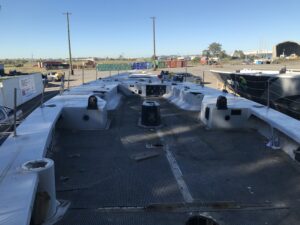
Peter Brady of Pathfinder Power Cats, one of our local boat builders in the Hemmant marine precinct, has launched a world-first project from The Yard Brisbane, aligned with his environmentally focused “3R’s” philosophy: Recycle, Refurbish and Reinvent.

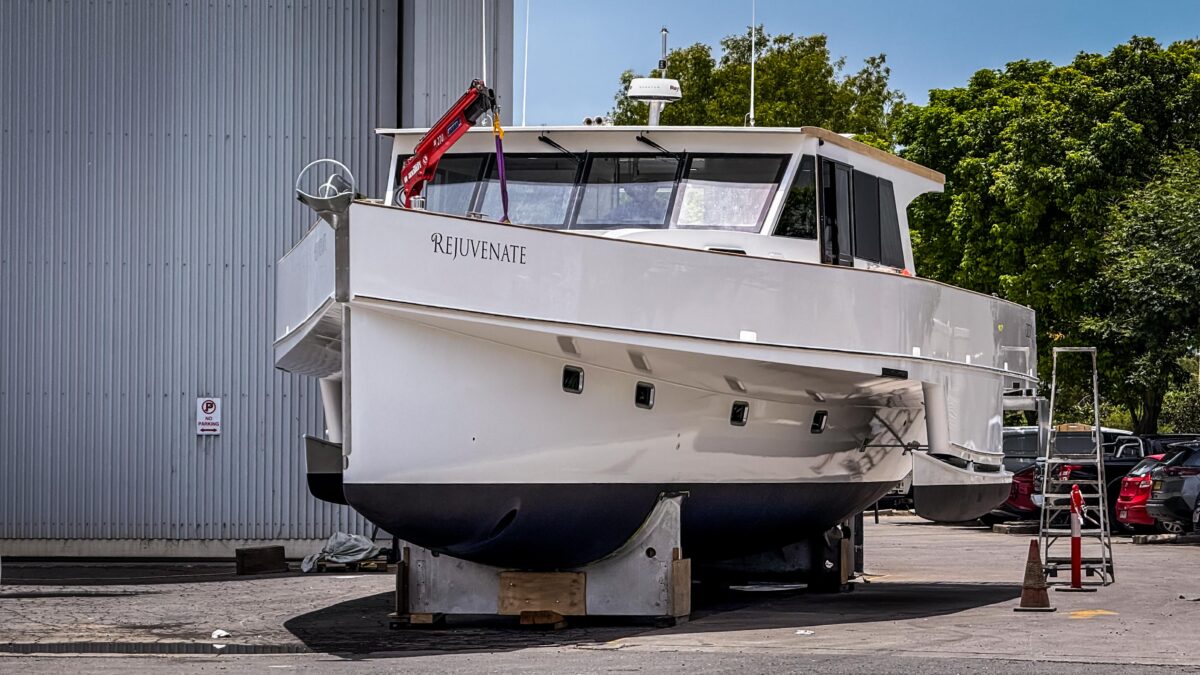
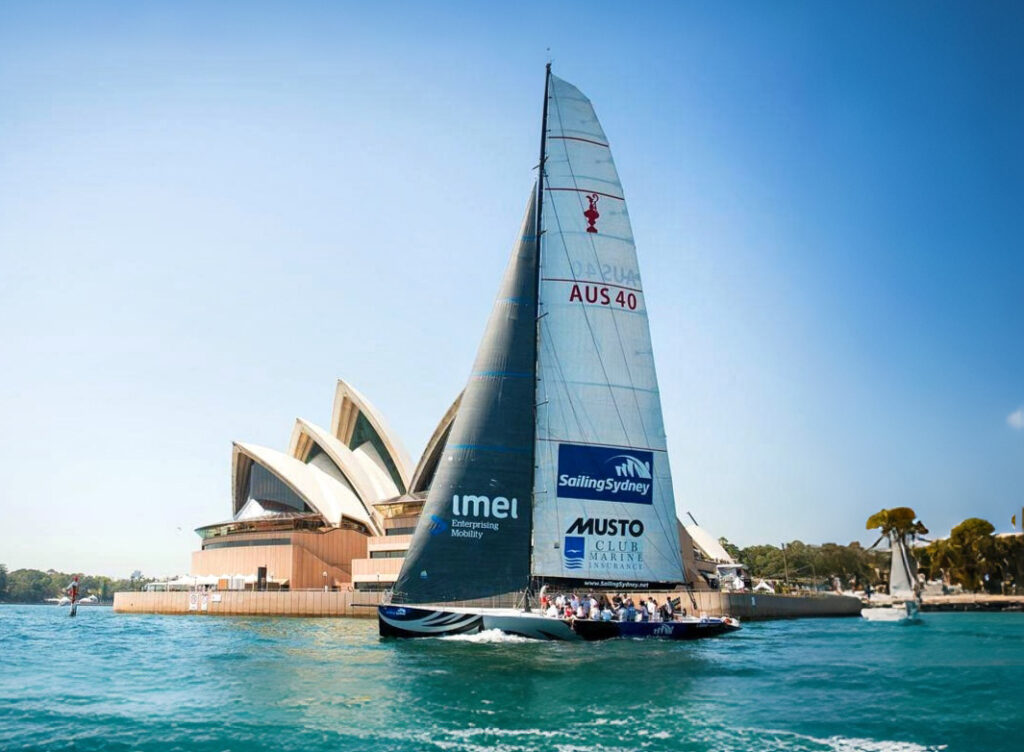
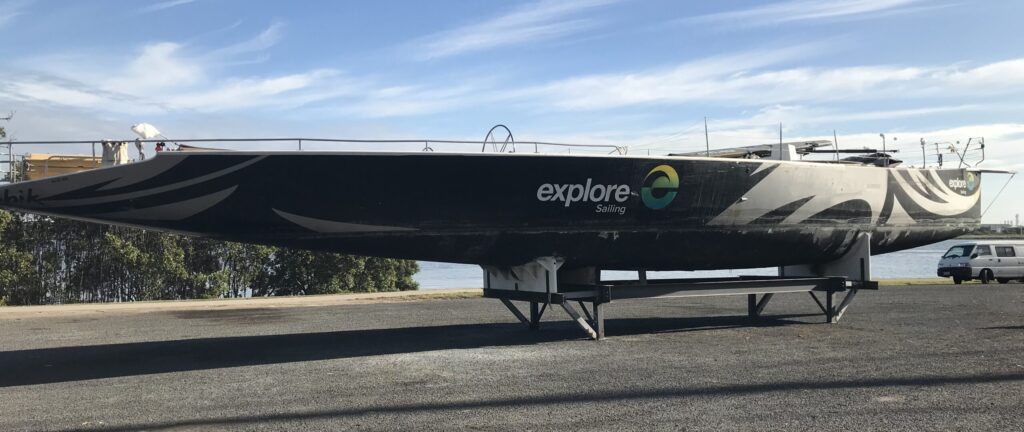
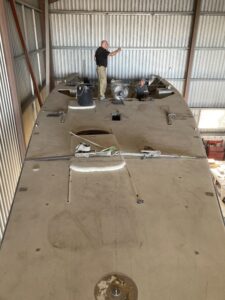
The venture has transformed a former IACC America’s Cup yacht – AUS40, previously used as a Sydney Harbour charter boat – into a 57-ft power trimaran designed for long-range cruising, and has been built to be fully operable from a wheelchair.

Peter had considered converting ex-racing yachts into power trimarans for more than a decade. When the COVID-19 shutdown created an opportunity to acquire the America’s Cup hull, he recognized its narrow waterline, efficient shape, and wide deck as an ideal foundation.

In early 2022, the client contacted Peter about adapting an existing power catamaran for wheelchair use. When that proved impractical, Peter proposed repurposing the America’s Cup hull instead. The idea was immediately embraced, and Peter began developing a new design based on the hull, shortened by 15 feet.

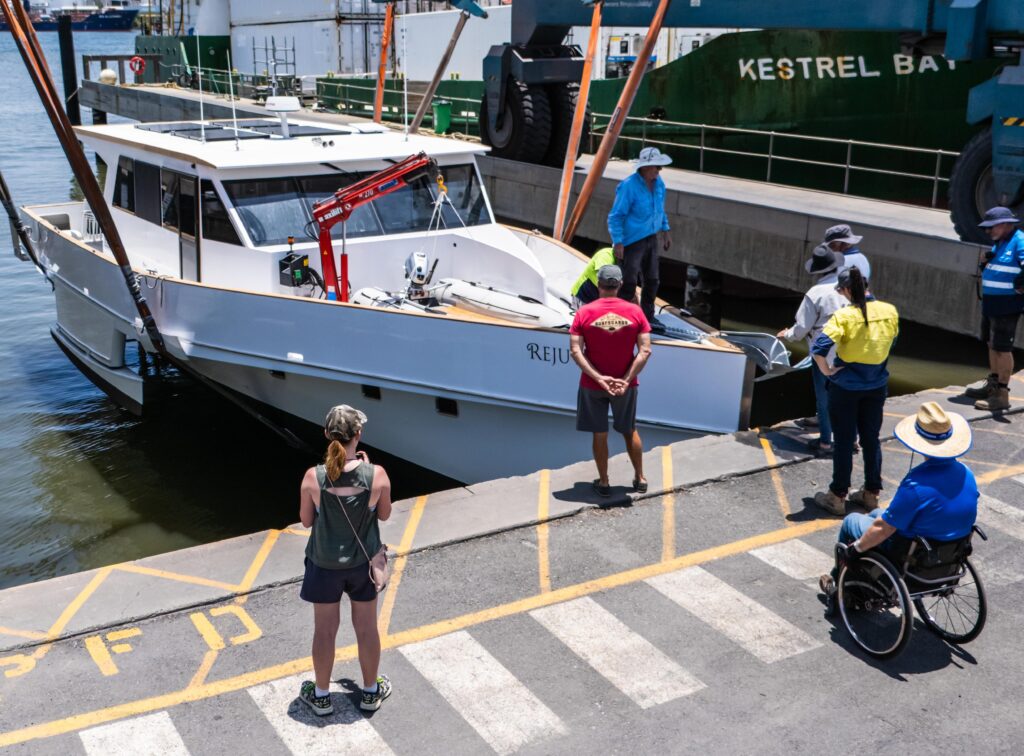
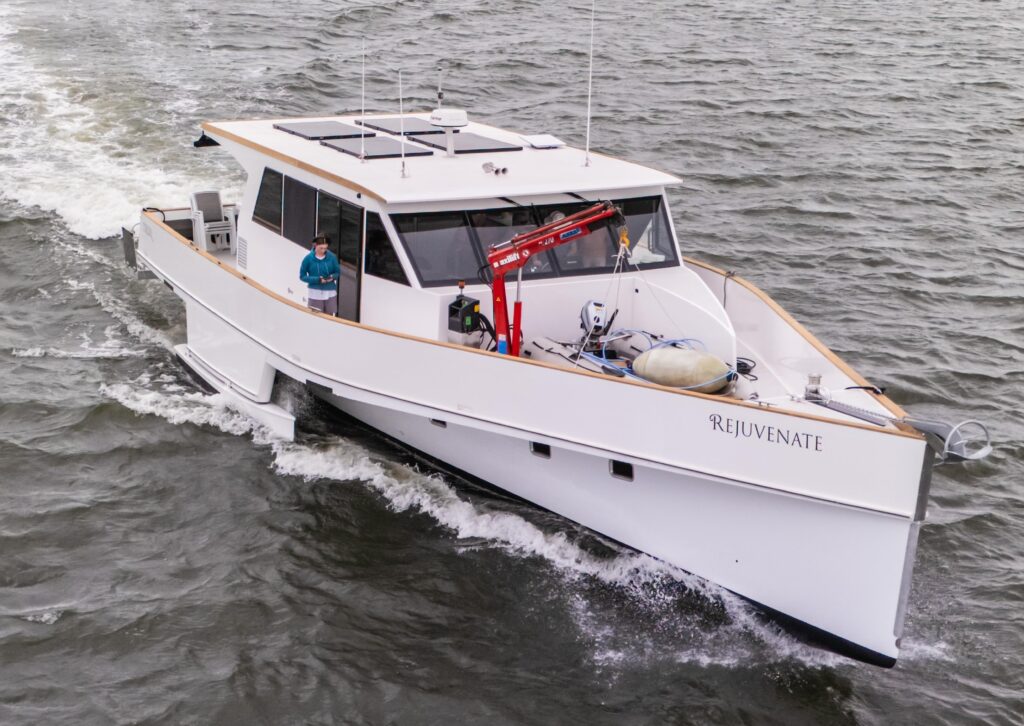
The original carbon-fibre and Nomex honeycomb racer had minimal internal framing, allowing Peter to create a custom interior that includes a lift from the wheelhouse to the accommodation and engine room. Inspired by aircraft-carrier design, the deck has been extended with flared supports to allow wheelchair access to deck equipment. A Hiab-style crane will lift and launch the tender, as well as the owner in their wheelchair. The widened deck also allows the stability floats to sit inside the deck line for easier docking, with adjustable height underway to balance stability and drag.

Rejuvenate’s much awaited launch at TYB
Sea trials commence, feeling the unique dynamics of the triple hull design

We’re thrilled to see the project finally come to fruition and the vessel launch to great success at The Yard Brisbane. A huge congratulations to Peter and the team, and we wish the owners all the best for their adventures ahead!


To find out more, contact Peter at Pacific Power Cats.


Categories
Commercial The Yard Brisbane Blog

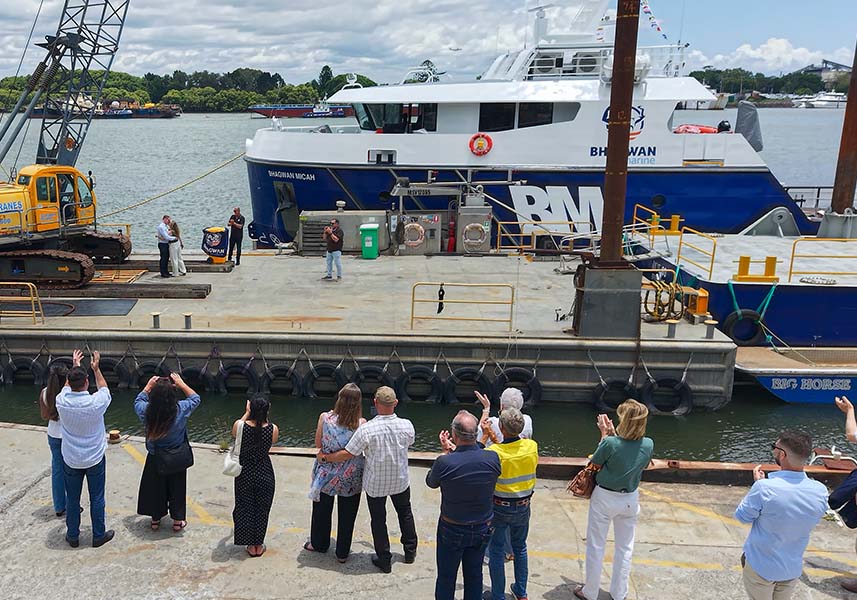
The christening of Bhagwan Micah – A vessel bestowed with a very special name

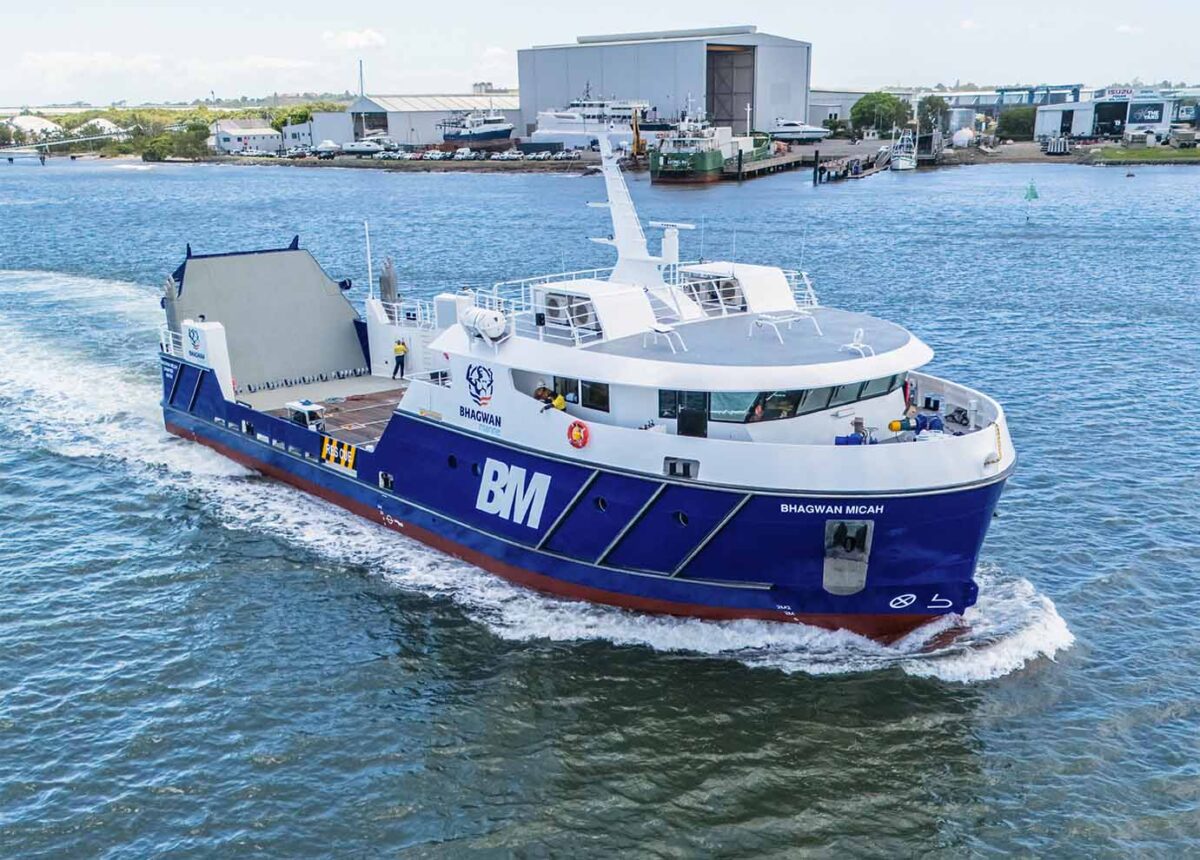
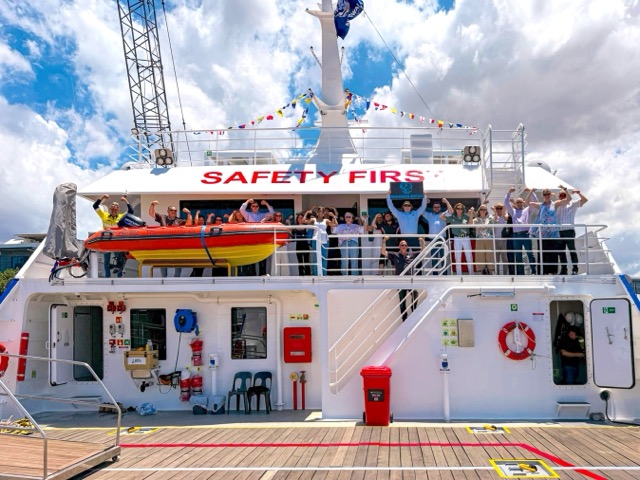
Bhagwan Marine have proudly christened their newest vessel, the Bhagwan Micah at their Brisbane operation. Completed and launched from The Yard Brisbane in December, this vessel is the latest addition to the fleet and marks another milestone in the Company’s strategic growth as Australia’s leading provider of integrated marine solutions.

Micah is a 38m state-of-the-art Stern Landing Vessel (SLV), designed from the ground up for the exacting requirements of modern offshore energy and subsea operations.

The vessel proudly carries the name Bhagwan Micah in honour of the late Micah Kirk, a much-loved and former member of Bhagwan’s Melbourne team. In maritime tradition, naming a vessel in honour of an individual carries enduring significance. It is said the name accompanies the vessel on every voyage and watches over those who sail aboard her. Through this tradition, Micah’s name, contribution and legacy will continue with the Bhagwan Micah throughout her service life.

To discover more, visit Bhagwan Marine’s news article on the launch of Bhagwan Micah